

Top 25
People read books for different reasons. Some seek an escape (such as fantasy), some crave excitement (like true crime), and others look for self-improvement (like self-help books).
My own intense reading started in 2020 because of the global discussions about race relations and police brutality against Black and Brown people. As I faced and challenged racism within the Church, particularly from my fellow Christian friends, I was forced to understand how racism became entrenched and accepted there. Where did the schism of heart and mind begin? When did it become okay for followers of Jesus to denigrate people made in His image? I had to know and I had to prepare myself to condemn it intellectually, theologically, philosophically, socially, historically, and through the phenomenology of my spirit. If racism had infiltrated every facet of my faith I wanted nothing more than to find the root of such animus and hostility, the radical point of departure, and bring that awareness to my contemporaries who harbor covert and overt disdain for people who look like me.
My goal, is to become all things to all people, that I might save some of them from their inherited hatred of all things Black – by the grace of God, of course.
This led me on a journey to research:
- The history behind racial ideas.
- How social conversations about race are formed/malformed.
- The experiences of both victims and perpetrators.
- The resilience of those who fought it – race essentialism and white terror (especially people of color).
- Theological ideas that allowed racism to take root and how to trace and then challenge them.
- Ways to Reconciliation and Reconstruction within the Christian Faith that elevate Christ while condemning ideas and systems of thought and practice which denigrate and disparage the Imago Dei in each of us.
I started with about 500 titles but had a very difficult time narrowing that down to a top 50, and then even harder time to get it down to the 25 books that most impacted my understanding of history, religion, theology, social issues, and fiction narratives that tugged at my heart strings. Information simply informs but fiction narratives, biographies, and autobiographies help us see and feel one another’s pain. I’ve also included some honorable mentions at the end of this list.
Please take a look, and share what you’ve been reading or plan to read! Let’s learn together.
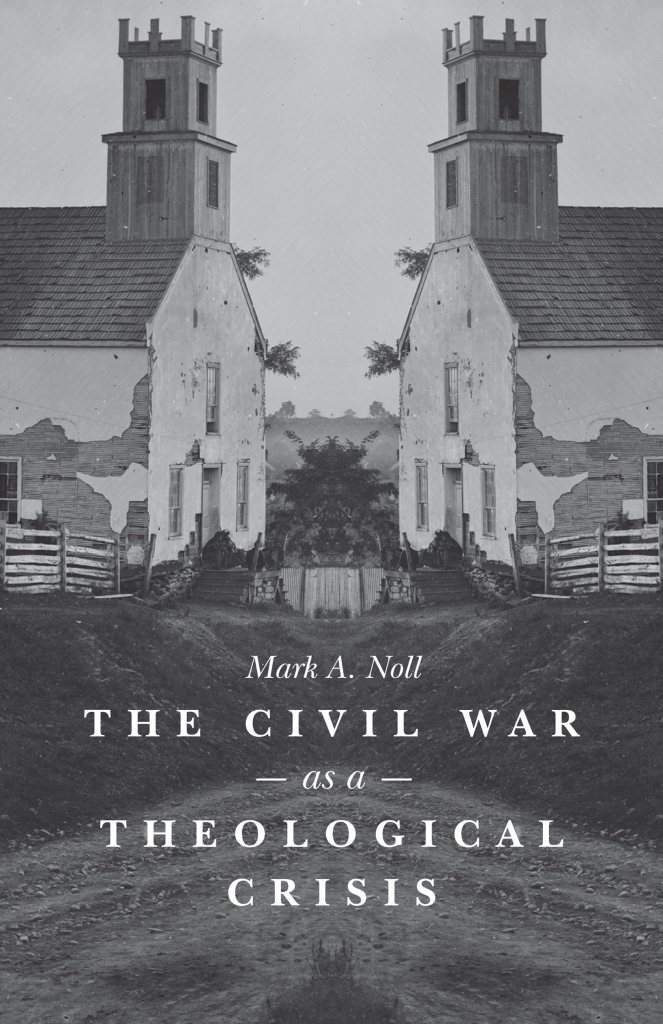
1: The Scandal of the Evangelical Mind, Mark A. Noll
“To put it most simply, the evangelical ethos is activistic, populist, pragmatic, and utilitarian. It allows little space for broader or deeper intellectual effort because it is dominated by the urgencies of the moment.”
2: Something’s Not Right: Decoding the Hidden Tactics of Abuse-and Freeing Yourself from Its Power, Wade Mullen

“This is really what it comes down to when abuse is exposed, when darkness is brought to light: Who will do whatever it takes to overcome a scandal, and who will do all they must to pursue what is right? Those who are governed by integrity will do whatever it takes to establish the truth and correct wrongs, even if it means giving up their power. Those governed by power will do only what is necessary to prevent or quell scandal so as to not risk losing that power. They are crisis managers, first and foremost, not truth seekers.”
3: Jesus and John Wayne: How White Evangelicals Corrupted a Faith and Fractured a Nation, Kristin Kobes Du Mez

“Evangelicals hadn’t betrayed their values. Donald Trump was the culmination of their half-century-long pursuit of a militant Christian masculinity. He was the reincarnation of John Wayne, sitting tall in the saddle, a man who wasn’t afraid to resort to violence to bring order, who protected those deemed worthy of protection, who wouldn’t let political correctness get in the way of saying what had to be said or the norms of democratic society keep him from doing what needed to be done. Unencumbered by traditional Christian virtue, he was a warrior in the tradition (if not the actual physical form) of Mel Gibson’s William Wallace. He was a hero for God-and-country Christians in the line of Barry Goldwater, Ronald Reagan, and Oliver North, one suited for Duck Dynasty Americans and American Christians. He was the latest and greatest high priest of the evangelical cult of masculinity.”
4: When Narcissism Comes to Church: Healing Your Community From Emotional and Spiritual Abuse, Church DeGroat

“Those who are diagnosably narcissistic may be talented, charming, even inspiring, but they lack the capacity for self-awareness and self-evaluation, shunning humility for defensive self-protection. Christian psychologist Diane Langberg says of the narcissist, ‘He has many gifts but the gift of humility.’
Though they cherished a belief that they were the only really honest church when it came to the seriousness of human sin, a supposed high-theology of individual sin masked the systemic sins of judgment, racism, misogyny, tribalism, passive-aggressive intimidation, arbitrary threats of discipline, and emotional and relational avoidance.”
5: Unsettling Truths: The Ongoing, Dehumanizing Legacy of the Doctrine of Discovery, Mark Charles

“You cannot discover lands already inhabited. That process is known as stealing, conquering, or colonizing. The fact that America calls what Columbus did ‘discovery’ reveals the implicit racial bias of the country—that Native Americans are not fully human.”
6: Learning from the Germans: Race and the Memory of Evil

“There are pragmatic as well as moral grounds for the United States to follow Germany’s lead [in dealing with it’s past human rights crimes]. American media may have largely ignored the reasons we decided to destroy Hiroshima or oust the democratically elected governments in Iran or the Congo. Other nations’ media has not. Few Americans are quite aware of how little credibility we retain in other parts of the world.
Monuments are not about history; they are values made visible.”
7: White Evangelical Racism: The Politics of Morality in America, Anthea Butler
“Why do people who identify as evangelicals vote over and over again for political figures who in speech indeed do not evince the Christian qualities that evangelicalism espouses?
My answer is that evangelicalism is not a simply religious group at all. Rather, it is a nationalistic political movement whose purpose is to support the hegemony of white Christian men over and against the flourishing of others.
To put it more broadly, evangelicalism is an Americanized Christianity born in the context of white Christian slaveholders. It sanctified and justified segregation, violence, and racial proscription. Slavery and racism permeate evangelicalism, and as much as evangelicals like to protest that they are color-blind, their theologies, cultures, and beliefs are anything but.”
8: The Sum of Us: What Racism Costs Everyone and How We Can Prosper Together, Heather McGhee

“For when a nation founded on the belief in racial hierarchy truly rejects that belief then and only then will we have discovered a new world. That is our destiny. To make it manifest, we must challenge ourselves to live our lives in solidarity across color, origin, and class. We must demand changes to the rules in order to disrupt the very notion that those who have more money are worth more in our democracy and our economy. Since this country’s founding, we have not allowed our diversity to be our superpower and the result is that the United States is not more than the sum of its disparate parts. But it could be. And if it were, all of us would prosper. In short, we must emerge from this crisis in our republic with a new birth of freedom. Rooted in the knowledge that we are so much more, when the we in we the people is not some of us, but all of us. We are greater than and greater for the sum of us.”
9: The 1619 Project: A New Origin Story, Nikole Hannah-Jones

“America has a way of dancing with its own delusion.”
10: The Fall, Albert Camus

“God is not needed to create guilt or to punish. Our fellow men suffice, aided by ourselves. You were speaking of the Last Judgement. Allow me to laugh respectfully. I shall wait for it resolutely, for I have known what is worse, the judgement of men. For them, no extenuating circumstances; even the good intention is ascribed to crime. Have you at least heard of the spitting cell, which a nation recently thought up to prove itself the greatest on earth? A walled-up box in which the prisoner can stand without moving. The solid door that locks him in the cement shell stops at chin level. Hence only his face is visible, and every passing jailer spits copiously on it. The prisoner, wedged into his cell, cannot wipe his face, though he is allowed, it is true. to close his eyes. Well, that, mon cher, is a human invention. They didn’t need God for that little masterpiece.”
11: Jesus and the Disinherited, Howard Thurman

“I do not ignore the theological and metaphysical interpretation of the Christian doctrine of salvation. But the underprivileged everywhere have long since abandoned any hope that this type of salvation deals with the crucial issues by which their days are turned into despair without consolation. The basic fact is that Christianity as it was born in the mind of this Jewish teacher and thinker appears as a technique of survival for the oppressed. That it became, through the intervening years, a religion of the powerful and the dominant, used sometimes as an instrument of oppression, must not tempt us into believing that it was thus in the mind and life of Jesus. ‘In him was life; and the life was the light of men.’ Wherever his spirit appears, the oppressed gather fresh courage; for he announced the good news that fear, hypocrisy, and hatred, the three hounds of hell that track the trail of the disinherited, need have no dominion over them.”
12: The Color of Law: A Forgotten History of How Our Government Segregated America, Richard Rothstein

“If federal programs were not, even to this day, reinforcing racial isolation by disproportionately directing low-income African Americans who receive housing assistance into the segregated neighborhoods that government had previously established, we might see many more inclusive communities. Undoing the effects of de jure segregation will be incomparably difficult. To make a start, we will first have to contemplate what we have collectively done and, on behalf of our government, accept responsibility.”
“As citizens in this democracy, we—all of us, white, black, Hispanic, Asian, Native American, and others—bear a collective responsibility to enforce our Constitution and to rectify past violations whose effects endure. Few of us may be the direct descendants of those who perpetuated a segregated system or those who were its most exploited victims. African Americans cannot await rectification of past wrongs as a gift, and white Americans collectively do not owe it to African Americans to rectify them. We, all of us, owe this to ourselves. As American citizens, whatever routes we or our particular ancestors took to get to this point, we’re all in this together now.”
13: How Civil Wars Start: And How to Stop Them, Barbara F. Walter

“People may tolerate years of poverty, unemployment, and discrimination. They may accept shoddy schools, poor hospitals, and neglected infrastructure. But there is one thing they will not tolerate: losing status in a place they believe is theirs. In the twenty-first century, the most dangerous factions are once-dominant groups facing decline.”
14: Strongmen: Mussolini to the Present, Ruth Ben-Ghiat

“Many strongmen, past and present, have used populist rhetoric that defines their nations as bound by faith, race, and ethnicity rather than by legal rights. For authoritarians, only some people are “the people,” regardless of their birthplace or citizenship status, and only the leader, above and beyond any institution, embodies that group. This is why, in strongman states, attacking the leader is seen as attacking the state itself, and why critics are labeled enemies of the people or terrorists.”
15: Blood Meridian, or, the Evening Redness in the West, Cormac McCarthy

“Men of God and men of war have strange affinities.”
“Only that man who has offered up himself entire to the blood of war, who has been to the floor of the pit and seen the horror in the round and learned at last that it speaks to his inmost heart, only that man can dance. – The judge”
16: How to Hide an Empire: A History of the Greater United States, Daniel Immerwahr

“At various times, inhabitants of the U.S. Empire have been shot, shelled, starved, interned, dispossessed, tortured, and experimented on. What they haven’t been, by and large, is seen.”
“In other words, if you looked up at the end of 1945 and saw a U.S. flag overhead, odds are that you weren’t seeing it because you lived in a state. You were more likely colonized or living in occupied territory.”
17: Lies My Teacher Told Me: Everything Your American History Textbook Got Wrong, James W. Loewen

“Paulo Freire of Brazil puts it this way: “It would be extremely naïve to expect the dominant classes to develop a type of education that would enable subordinate classes to perceive social injustices critically.”
“If you truly want students to take an interest in American history, then stop lying to them.”
18: The Urge: Our History of Addiction, Carl Erik Fisher
“While there may be no natural cut point between people with addiction and the rest of humanity, the fact of a continuum does not mean we cannot discern one state from another. There is a philosophical problem called the paradox of the heap: If a heap of sand is taken apart one grain at a time, at what point does it stop becoming a heap? There is no natural dividing line in that.”
19: The Black Count: Glory, Revolution, Betrayal, and the Real Count of Monte Cristo, Tom Reiss

“What dark and bloody secrets the future hides from us,” Alexandre Dumas would one day write in his memoir, meditating on his father’s fate. “When they are revealed, men may realize that it is by the good providence of God they were kept in ignorance of them until the appointed time.”
“In all his adventures, the main thing that set Dumas apart was his refusal to countenance the bullying of the weak by the strong. This meant that whenever a unit he commanded seized a thousand prisoners or the wealth of a town, he told his fellow officers and his men, perhaps too often for their taste, that they must restrain themselves from taking the slightest advantage. Dumas was unrestrained when outnumbered and outgunned, just as he was unrestrained when he disagreed with his superiors. But toward anyone less powerful than he was, Alex Dumas showed nothing but self-restraint, and a kind of violent love.”
20: The Origins of Totalitarianism, Hannah Arendt

“The ideal subject of totalitarian rule is not the convinced Nazi or the convinced Communist, but people for whom the distinction between fact and fiction (i.e., the reality of experience) and the distinction between true and false (i.e., the standards of thought) no longer exist.”
“Nothing perhaps illustrates the general disintegration of political life better than this vague, pervasive hatred of everybody and everything, without a focus for its passionate attention, with nobody to make responsible for the state of affairs—neither the government nor the bourgeoisie nor an outside power. It consequently turned in all directions, haphazardly and unpredictably, incapable of assuming an air of healthy indifference toward anything under the sun.”
21: Kill Anything That Moves: The Real American War in Vietnam, Nick Turse

“Could there really be that many “bad apples” with the same inclinations? Or was something more sinister at work? Could America—the world’s “good guys”—have implemented a system of destruction that turned rural zones into killing fields and made war crimes all but inevitable?”
“Are we supposed to kill women and children?” And Medina’s reply: “Kill everything that moves.”
22: The Greatest Evil is War, Chris Hedges
“The heroes of war and the heroes of sport are indistinguishable in militarized societies. War is sold to a gullible public as a noble game… War is not a sport. It is about killing. It is dirty, messy, and deeply demoralizing. The pay is lousy. The working conditions are horrific. And those who come back from war are usually discarded.”
23: The Sin of Certainty: Why God Desires Our Trust More Than Our “Correct” Beliefs, Peter Enns

“Church is too often the most risky place to be spiritually honest.”
“When the dust clears and in the quiet of your own heart, what kind of God do you believe in, really? And why?”
“When we reach the point where things simply make no sense, when our thinking about God and life no longer line up, when any sense of certainty is gone, and when we can find no reason to trust God but we still do, well that is what trust looks like at its brightest – when all else is dark.”
24: Evil Men, James Dawes

But making monsters isn’t only a matter of conditioning; it’s also a matter of narrative. Commonly among unrepentant war criminals, you will see a grandiose self pity that helps them to preserve a sense of self: I bore the burden of having to do these things. Robert Jay Lifton saw this narrative template in the Nazi doctors at Auschwitz, who perceived their terrible but necessary work of killing as an “ordeal” of self-sacrifice for “the immortal Germanic people.”
“I do not wish to destroy only those who are; I wish to destroy the possibility of all who will be. The death of a child is always a kind of apocalypse.”
25: The Cross and the Lynching Tree, James H. Cone

“The cross can heal and hurt; it can be empowering and liberating but also enslaving and oppressive. There is no one way in which the cross can be interpreted. I offer my reflections because I believe that the cross placed alongside the lynching tree can help us to see Jesus in America in a new light, and thereby empower people who claim to follow him to take a stand against white supremacy and every kind of injustice.”
“In the “lynching era,” between 1880 to 1940, white Christians lynched nearly five thousand black men and women in a manner with obvious echoes of the Roman crucifixion of Jesus. Yet these “Christians” did not see the irony or contradiction in their actions.”
“Without concrete signs of divine presence in the lives of the poor, the gospel becomes simply an opiate; rather than liberating the powerless from humiliation and suffering, the gospel becomes a drug that helps them adjust to this world by looking for “pie in the sky.”
Honorable Mentions
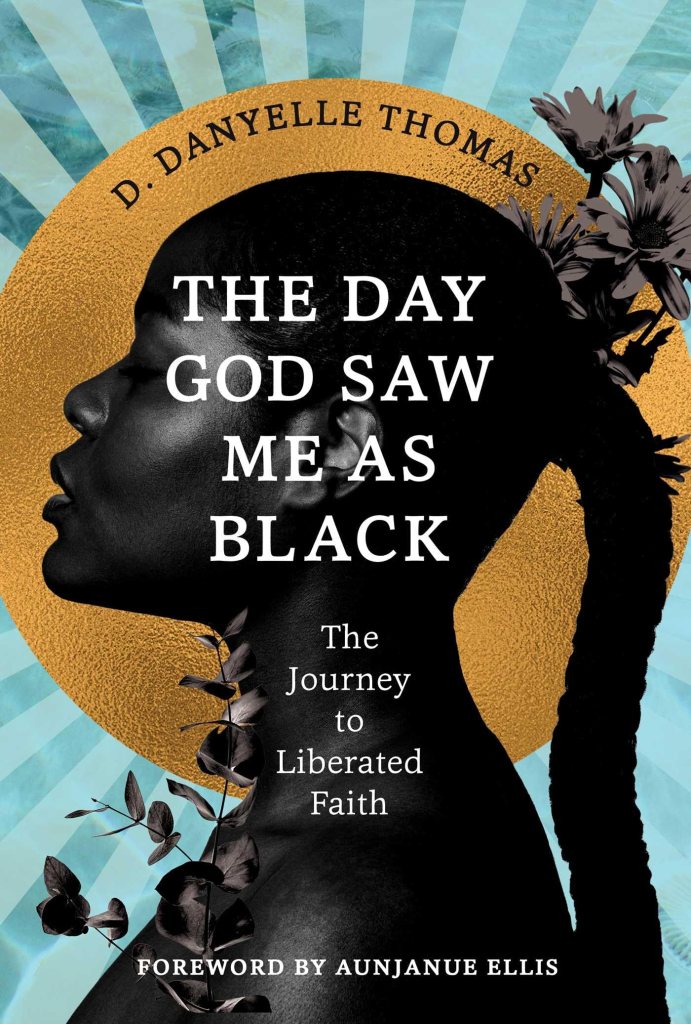
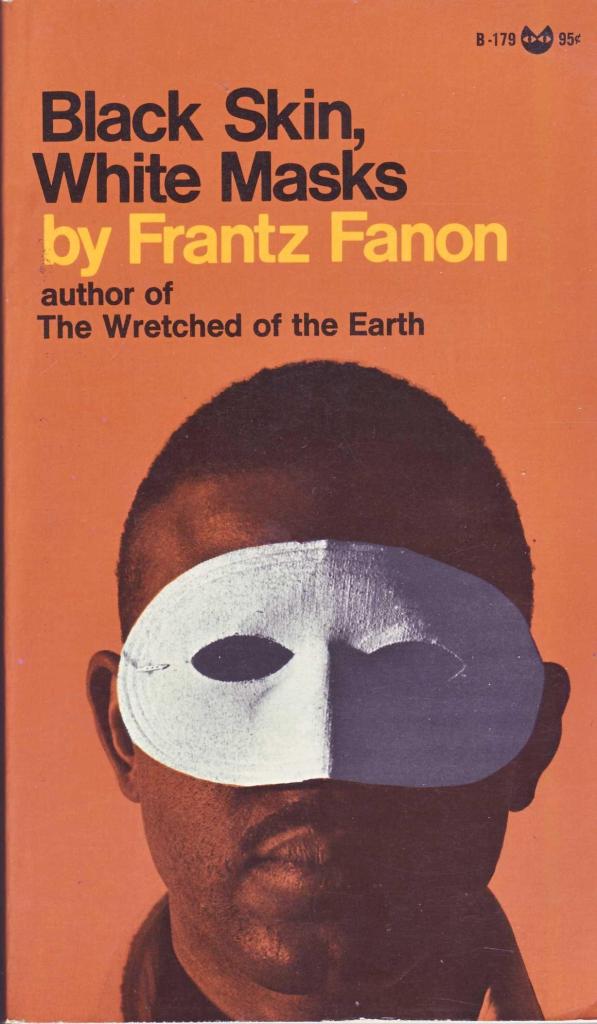
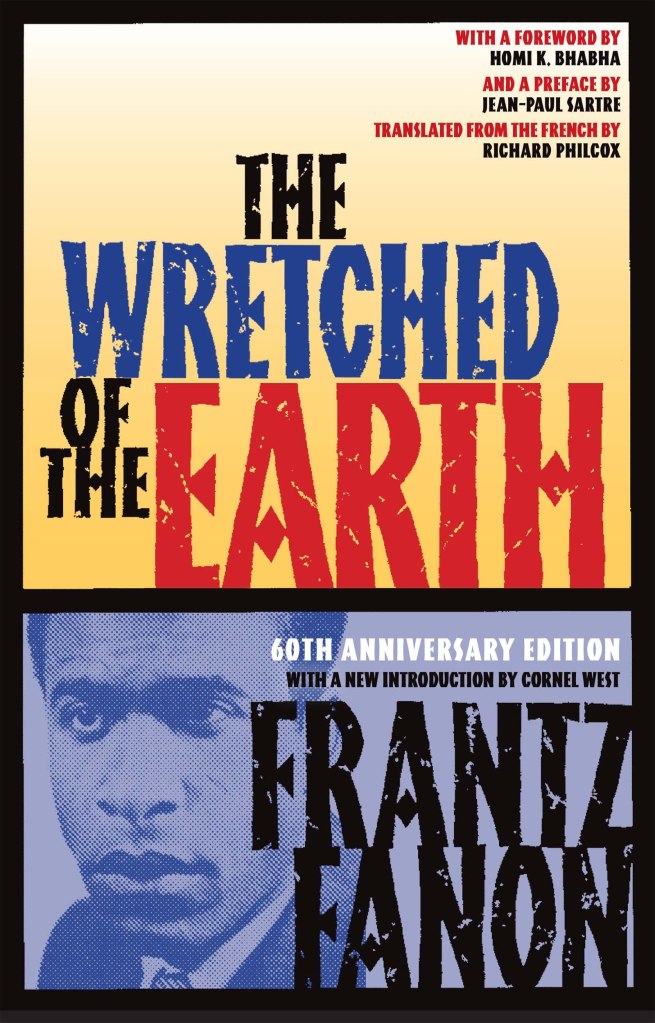
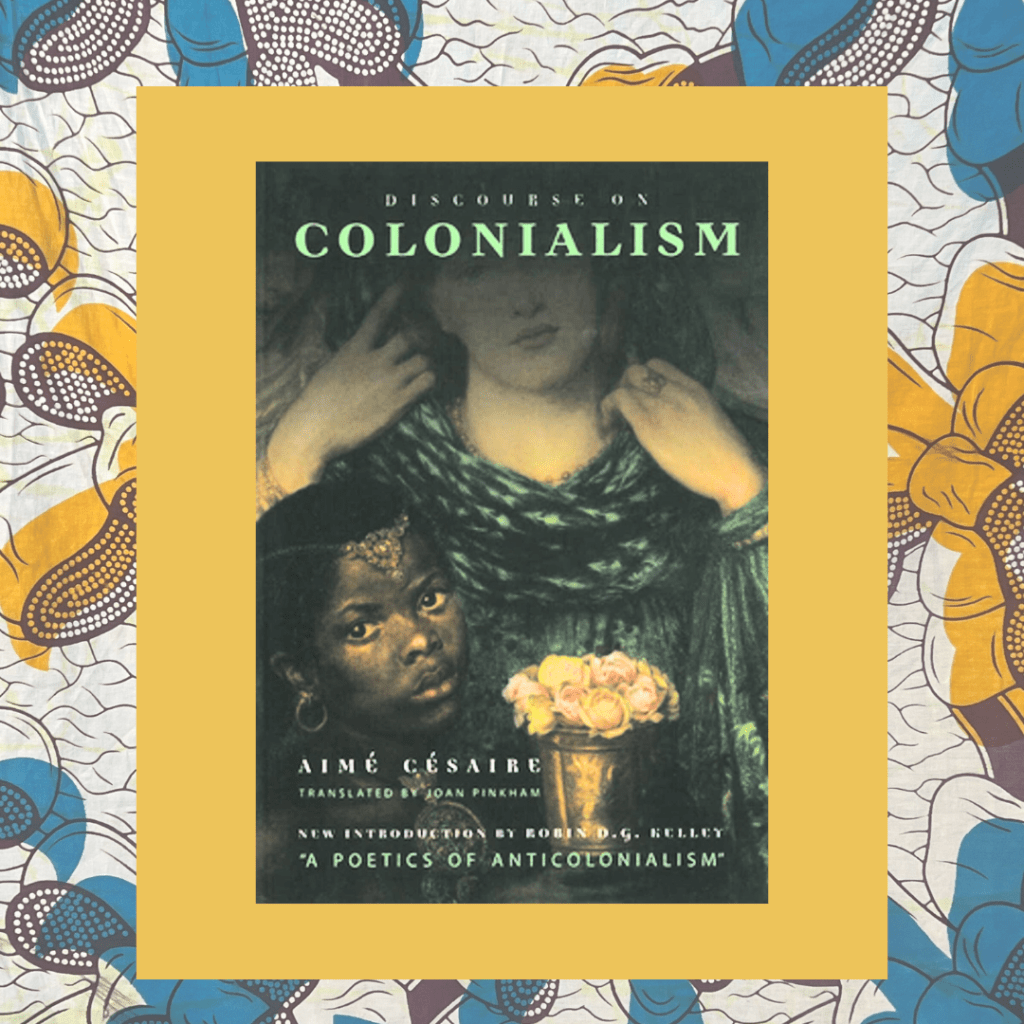
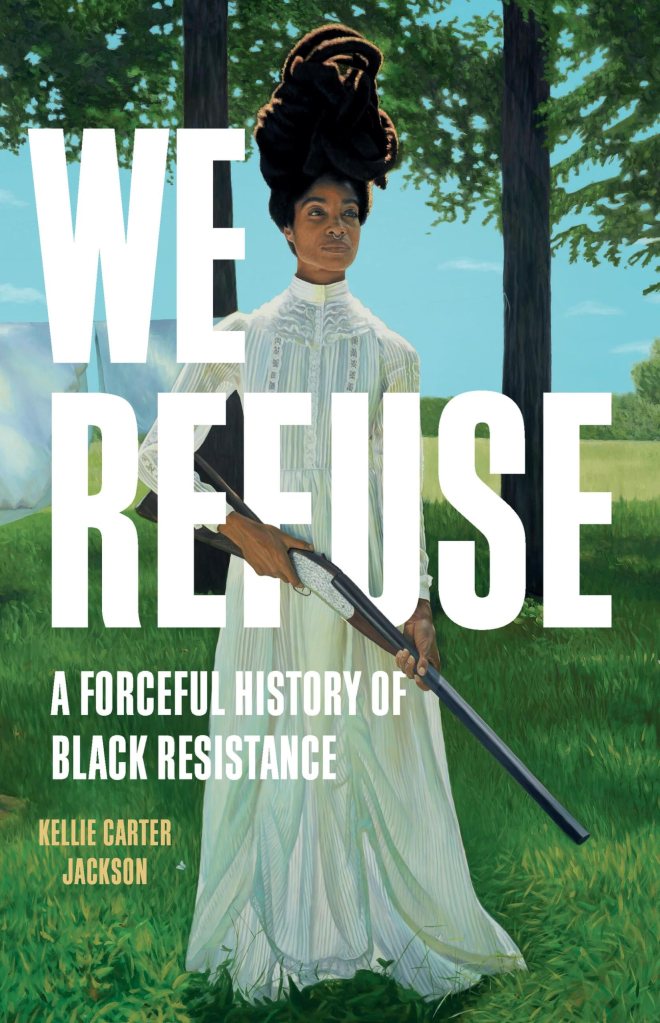
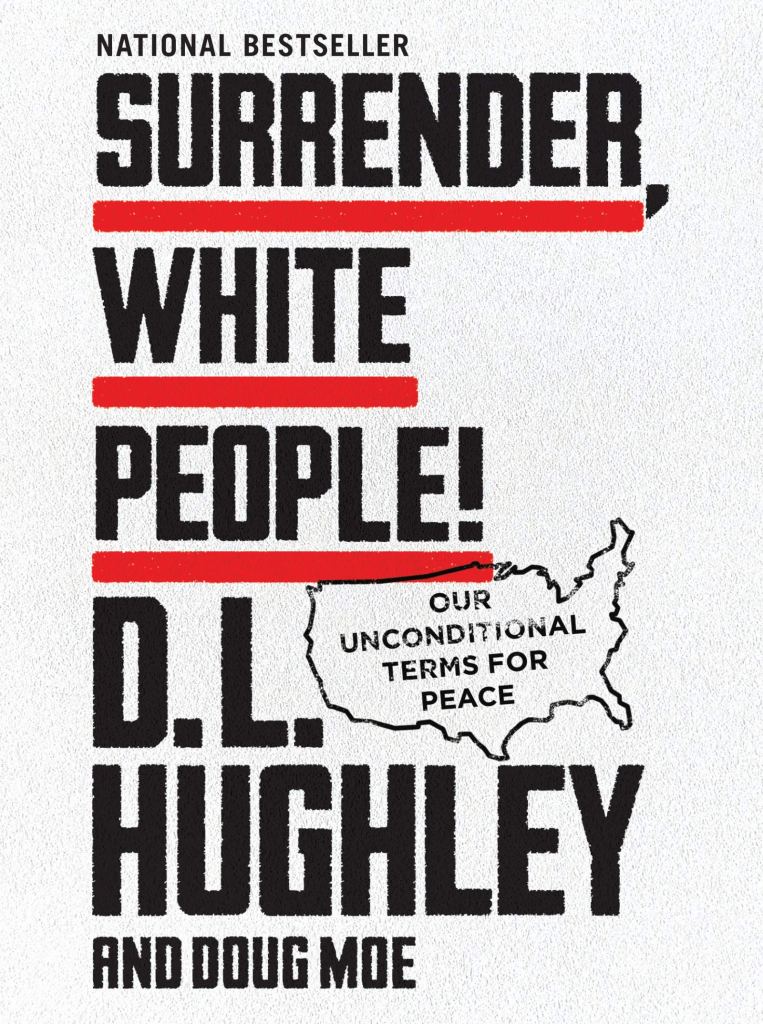
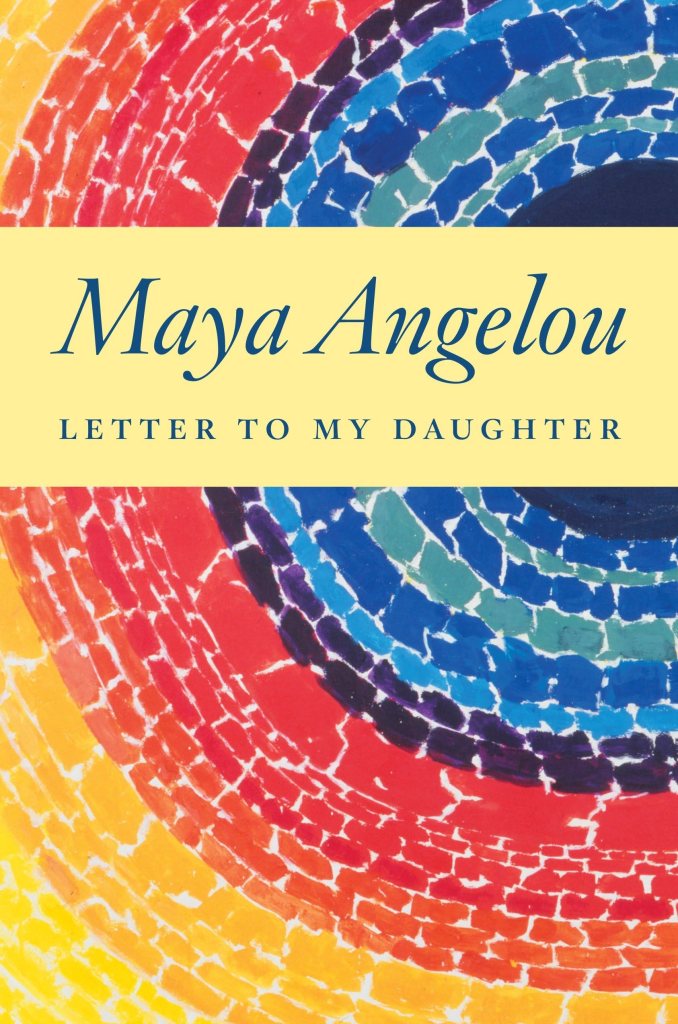
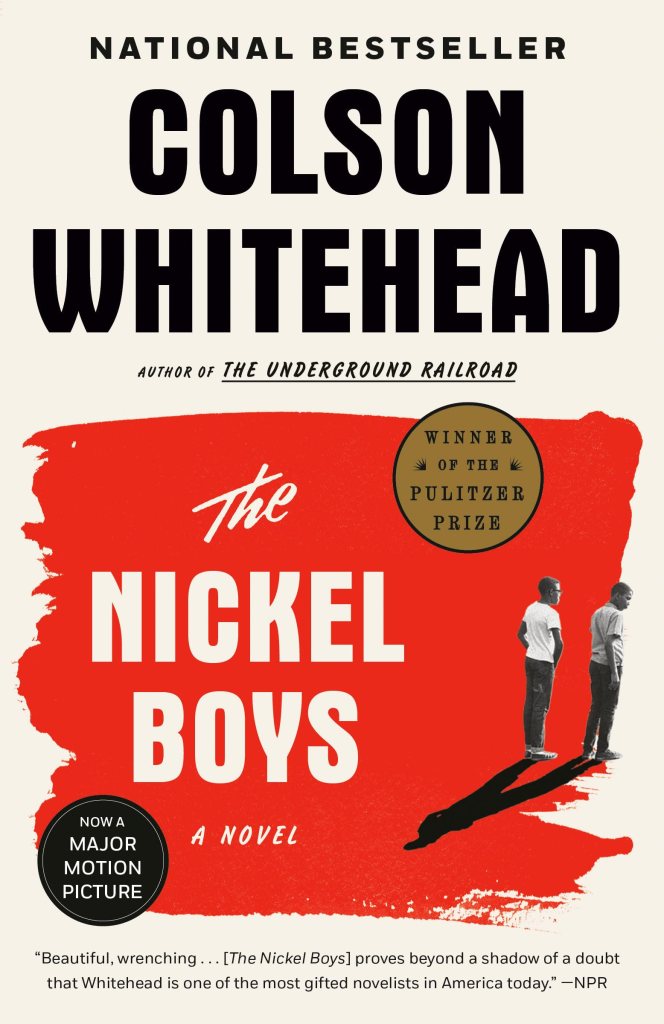
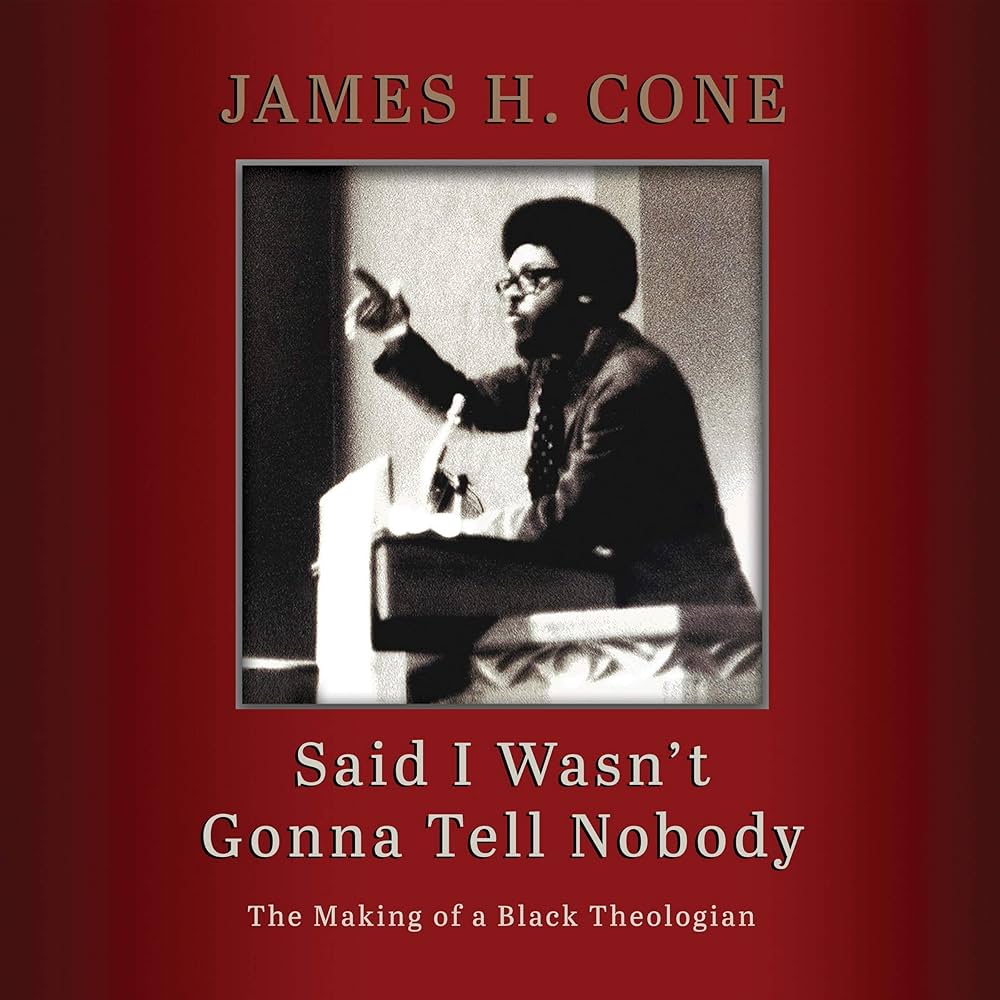
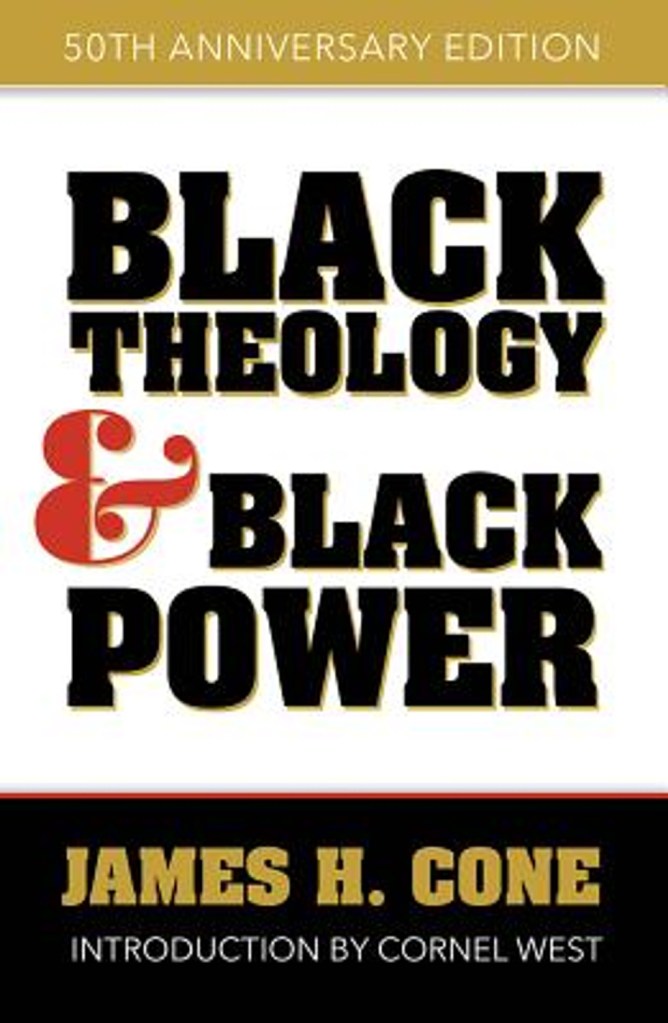
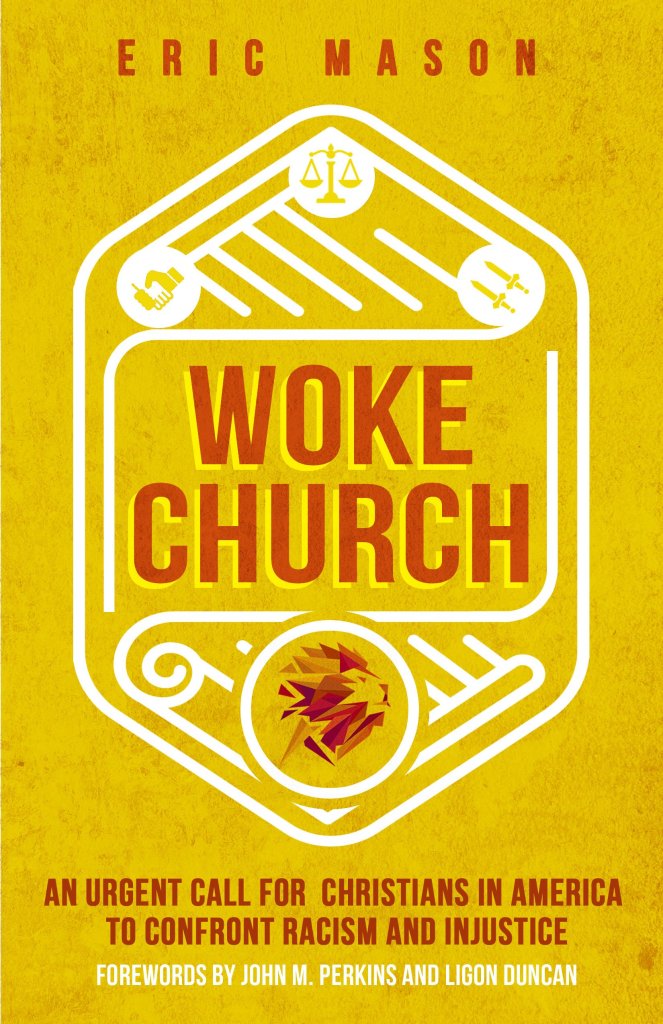
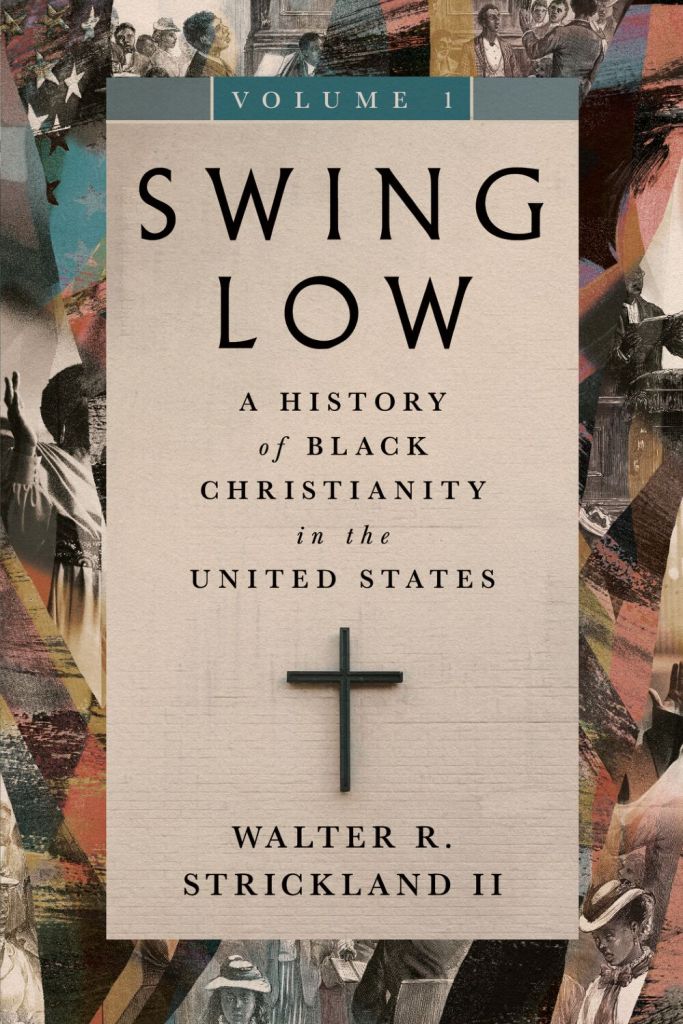
Beautiful Blackness + Beautiful Negritude







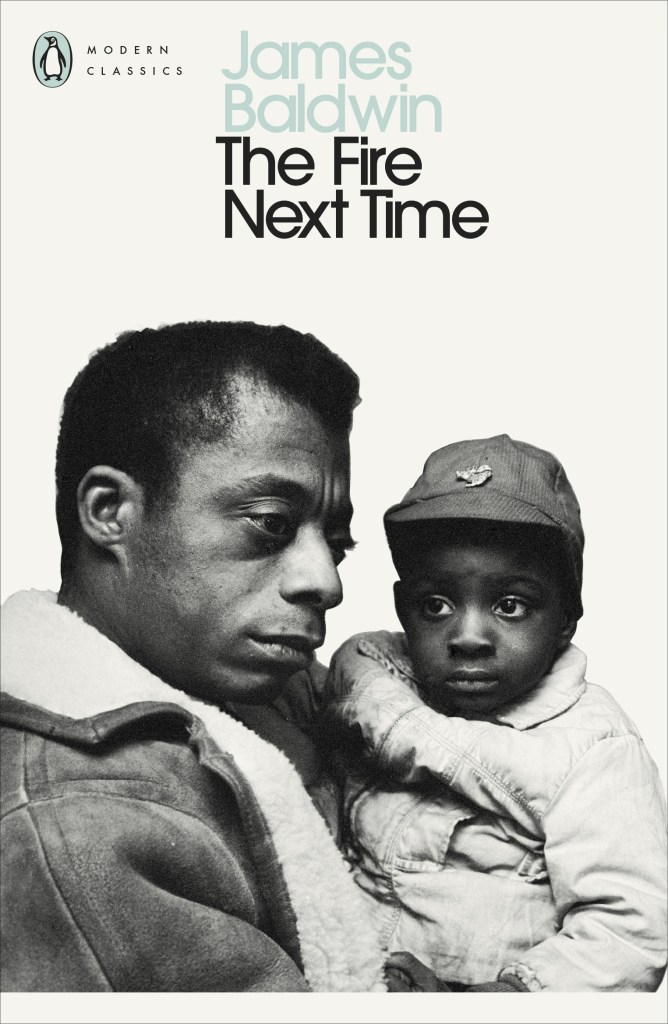


Theology



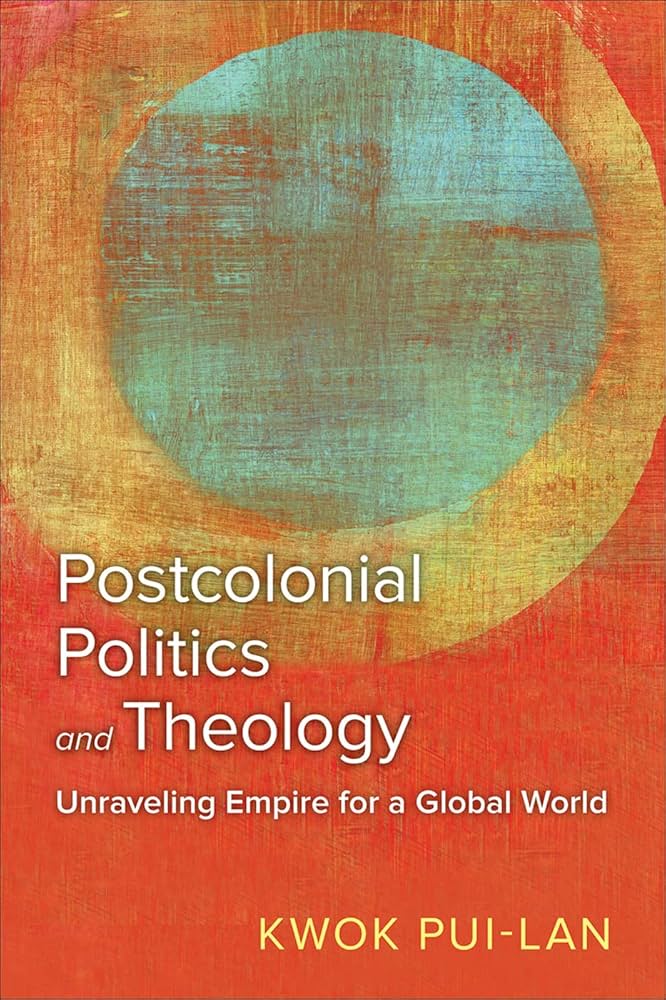


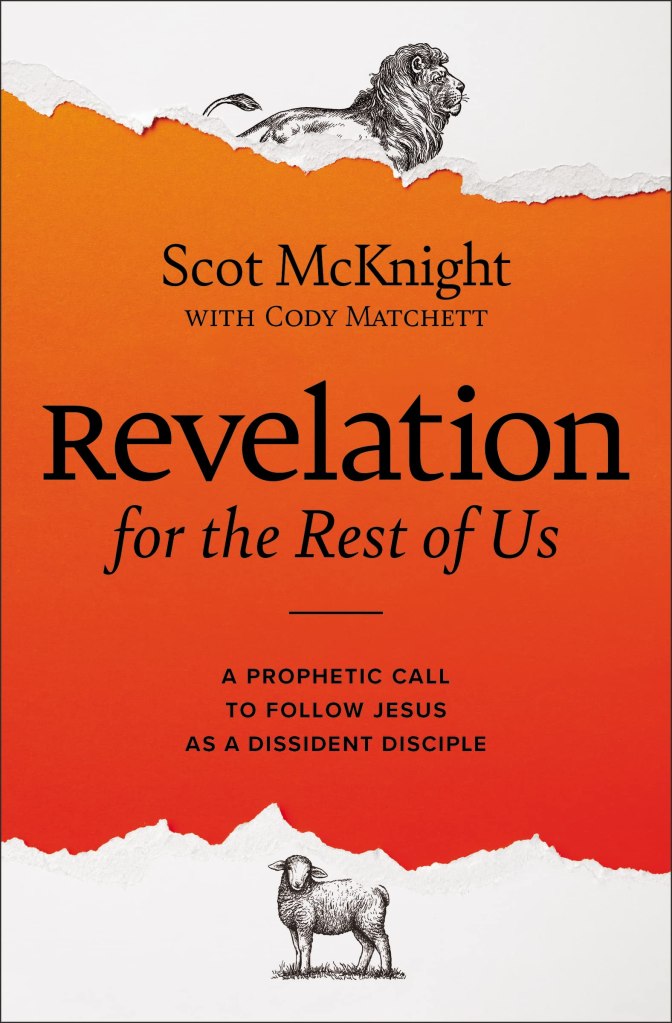

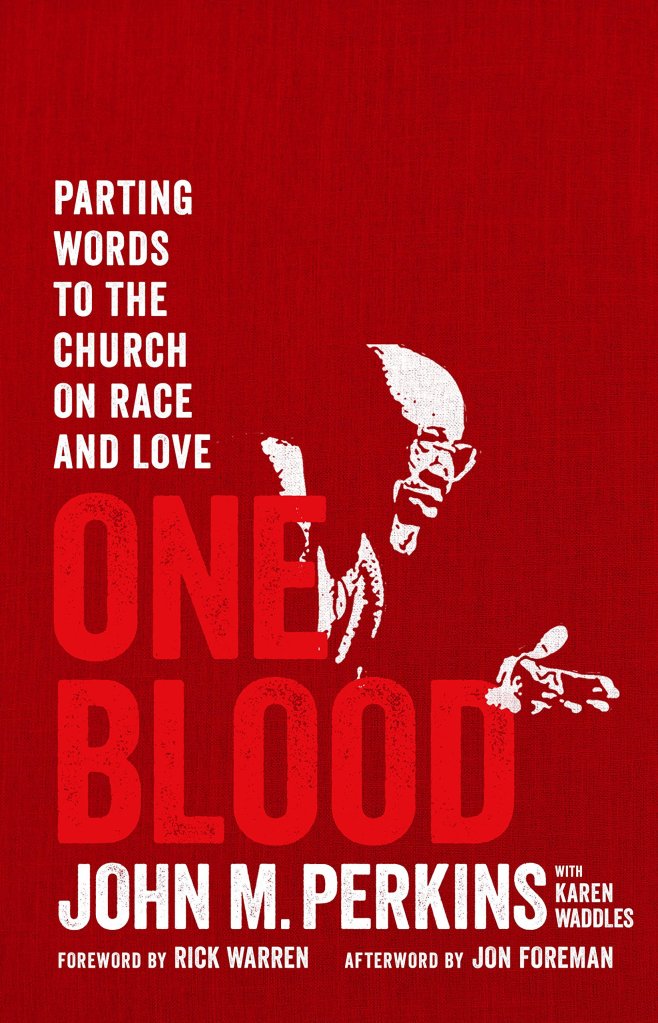

Fiction
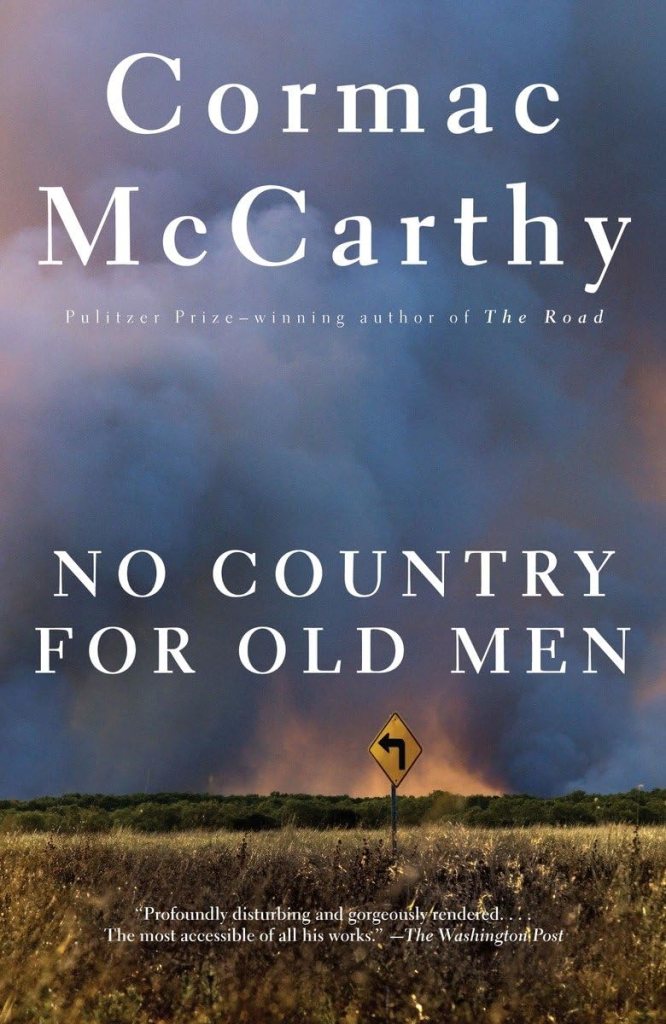




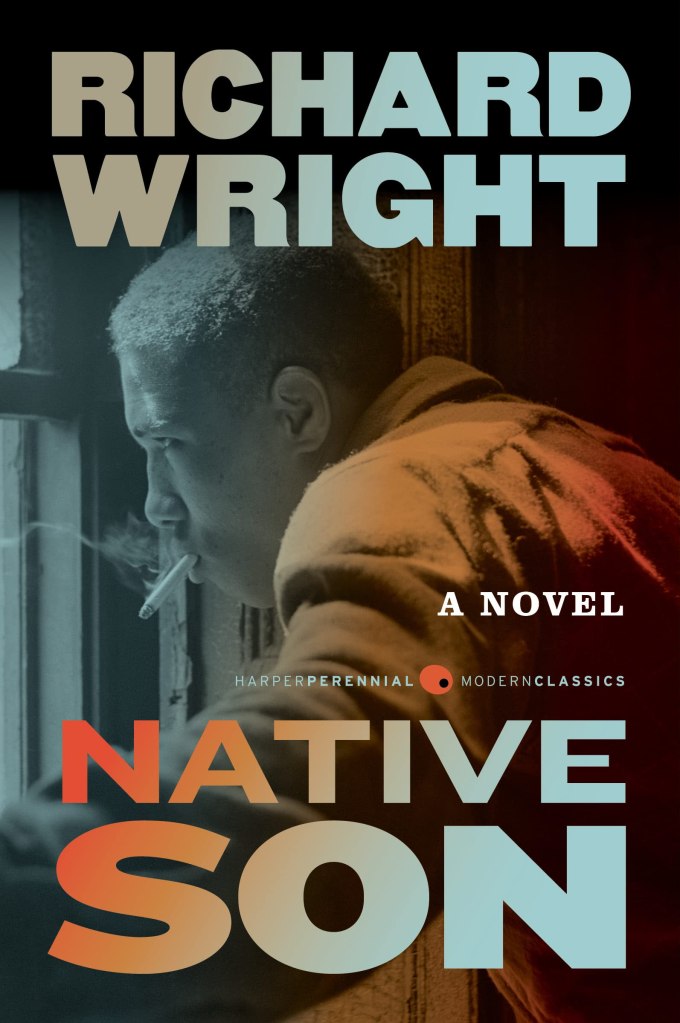
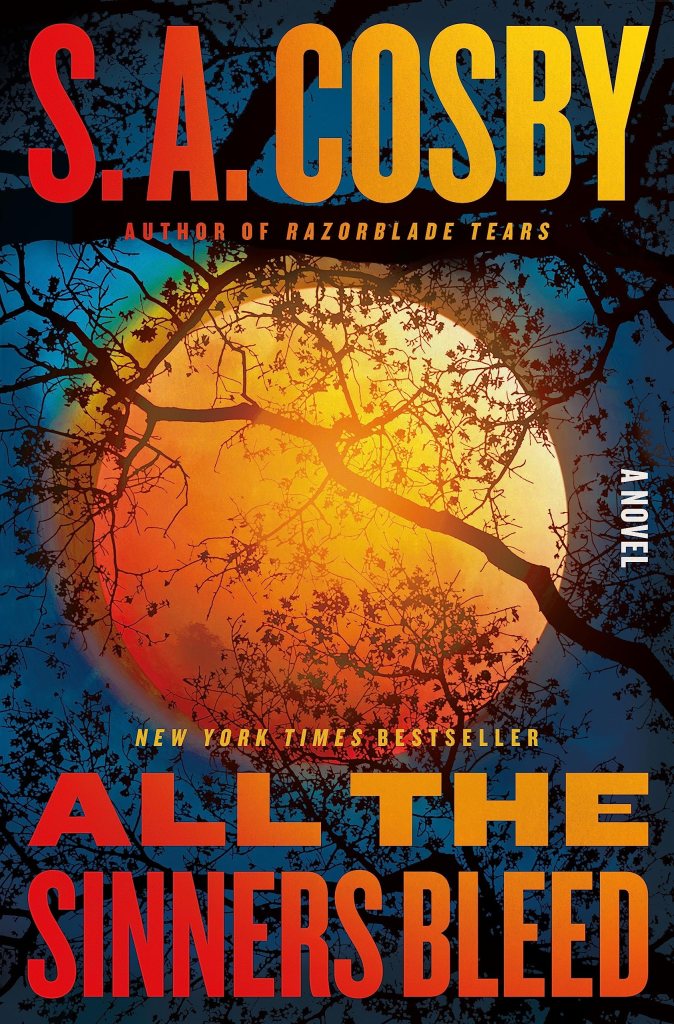
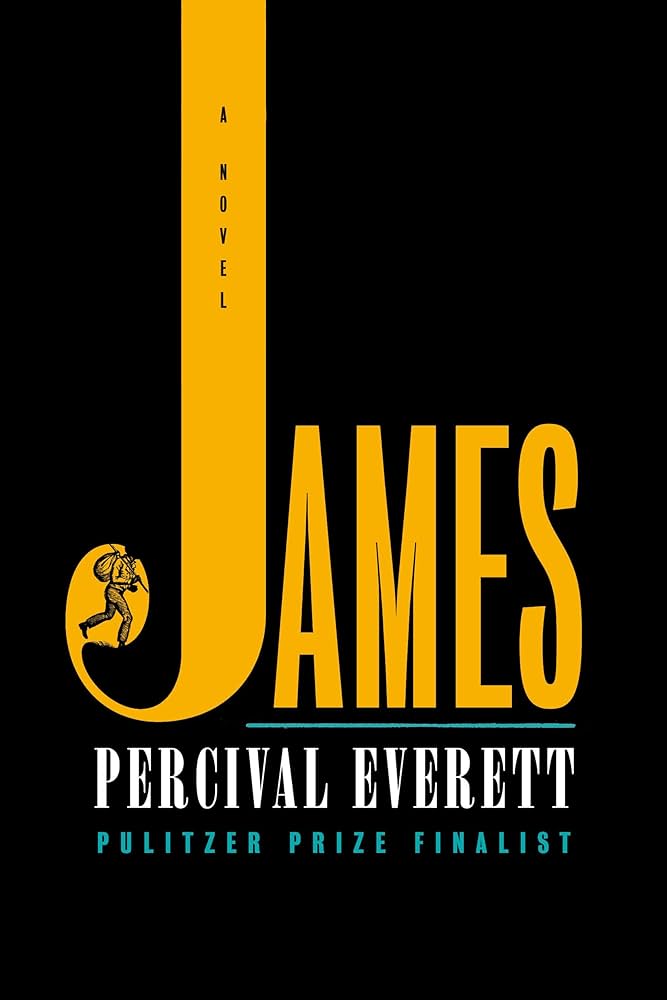


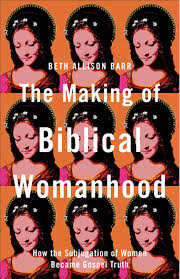
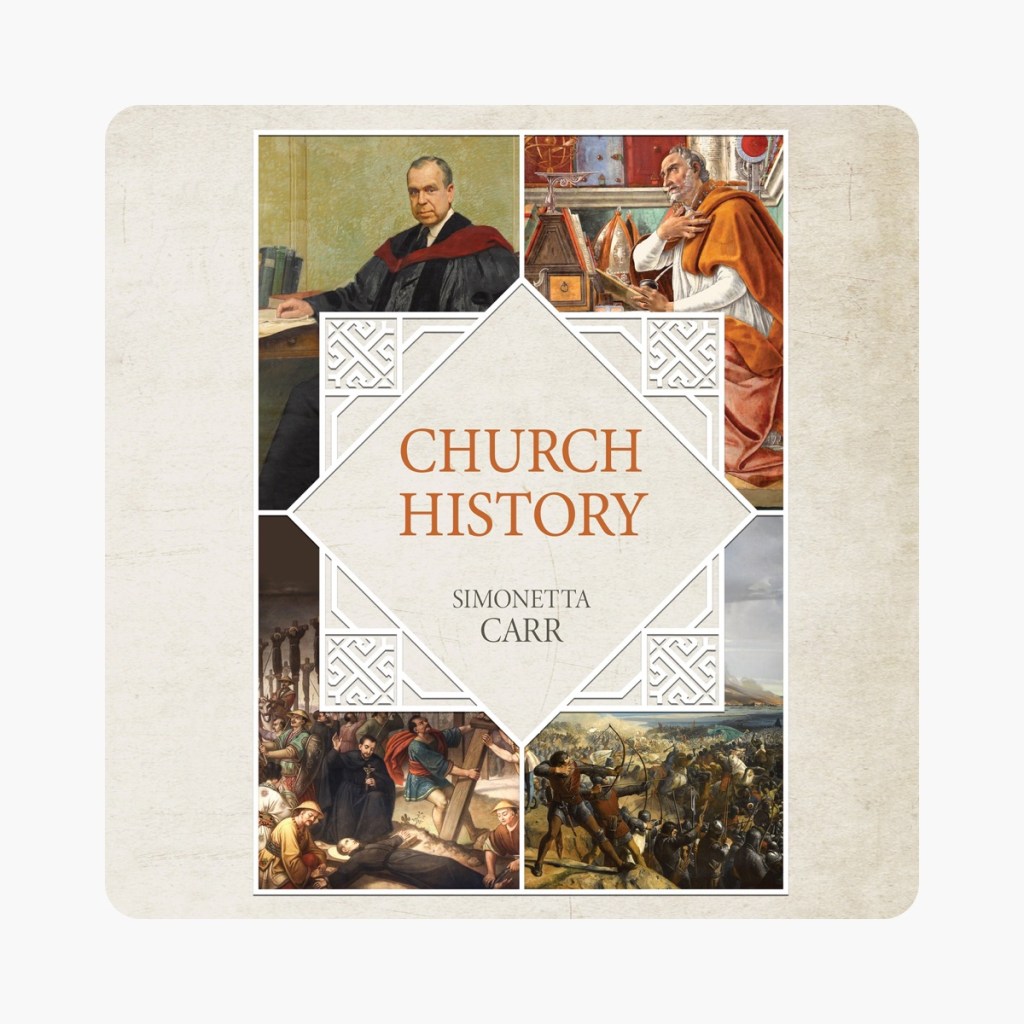
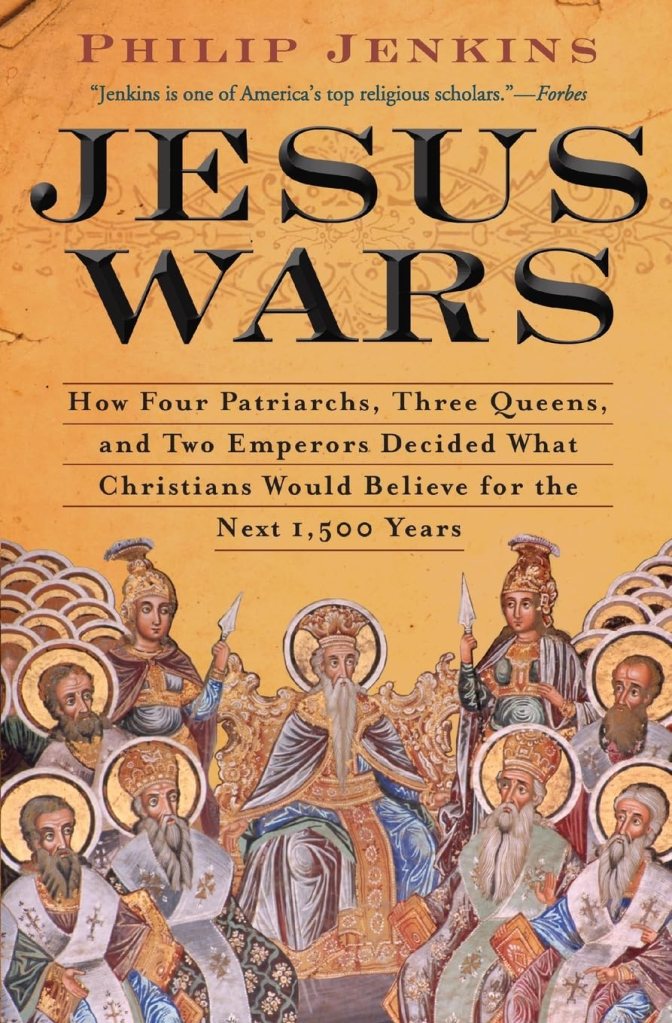
Church History




Speak up for those who cannot speak for themselves; ensure justice for those being crushed. – Proverbs 31:8 NLT
Currently Reading
Best Work


Display photo.
 Olivet Theory